








Why Solar Lithium Batteries Fail Early in West Africa’s Hot Climate


West Africa’s Unique Power & Weather Conditions for Solar Batteries
For homeowners across Nigeria, Ghana and other West African nations, daily grid outages are not rare emergencies but a normal part of life. Power cuts from the national grid force many families to run solar + inverter battery systems every day to keep lights, fans, refrigerators and essential appliances working.
This creates a tough double burden for solar lithium batteries. First, the tropical climate brings sustained high ambient temperatures that routinely exceed 35°C in many parts of West Africa, with heatwave peaks reaching 42–44°C in northern Nigeria and the Sahel. Second, frequent NEPA blackouts mean batteries go through deep charge and discharge cycles every single day. Most batteries sold globally are designed for mild climates; when placed in this harsh combination of heat + daily deep cycling, many start losing capacity far faster than advertised.
If your solar lithium battery dies in only 2–3 years instead of the promised 8–10 years, high temperature is usually the root cause. This article explains exactly how heat damages batteries, and practical steps to slow down degradation for your home inverter battery.

How High Temperatures Damage Home Solar Lithium Batteries
Accelerated chemical ageing inside cells
Lithium cells rely on stable internal chemical reactions to store and release electricity. High heat speeds up unwanted side reactions inside battery cells. The solid electrolyte interphase (SEI) layer grows thicker, consuming active lithium inside the cell. Over time, the battery’s usable capacity gradually fades.
Research indicates that battery ageing can accelerate by roughly 50 or more for every 10°C rise in operating temperature, depending on cell chemistry and state of charge. In West Africa's climate, this means a battery installed in a poorly ventilated room can lose capacity far faster than its datasheet cycle life suggests.
Deep daily discharge from frequent NEPA blackouts
Heat damage becomes much worse when combined with deep discharge cycles. During long grid outages, homeowners often drain batteries down to very low voltage to keep appliances running. In hot conditions, repeated deep discharge accelerates cell imbalance. Individual cells inside the battery pack drift apart, and the overall pack capacity drops. Many cheap battery packs cannot recover from this imbalance.
Poor BMS fails to protect battery in heat
A quality Battery Management System (BMS) monitors cell voltage, current and temperature. It reduces charging current or stops discharging once temperature hits unsafe thresholds.
Many low-cost solar lithium batteries imported into West Africa come with simplified, low-grade BMS. These budget BMS units lack accurate temperature sensors or proper thermal protection. When temperatures spike, they do not throttle charging or cut off power in time. Continuous overheating leads to permanent cell damage and early failure.
One detail worth checking: charging a lithium battery at high temperature is especially damaging, yet many low-end BMS units only monitor discharge over-current and lack dedicated high-temperature charge protection. A quality BMS should limit or stop charging when cell temperature exceeds a safe threshold—not just cut off discharging.
LiFePO4 vs ordinary lithium: which handles West African heat better
Not all lithium chemistries perform the same under tropical heat.
Ordinary lithium-ion batteries (NCM / NCA) have higher energy density but much poorer thermal stability. In sustained high temperatures, they degrade rapidly and carry greater safety risks. They are not recommended for West African home solar and inverter applications.
LiFePO4 (Lithium Iron Phosphate) is the preferred chemistry for hot climates. LiFePO4 cells have stable crystal structures and better heat tolerance. They can withstand repeated cycling at elevated temperatures with slower capacity loss. Even so, LiFePO4 is not immune to heat damage. Poor cell grade, weak BMS and bad installation will still shorten its service life significantly.
Practical Tips to Extend Lithium Battery Life in Tropical Homes
Proper installation location & ventilation rules
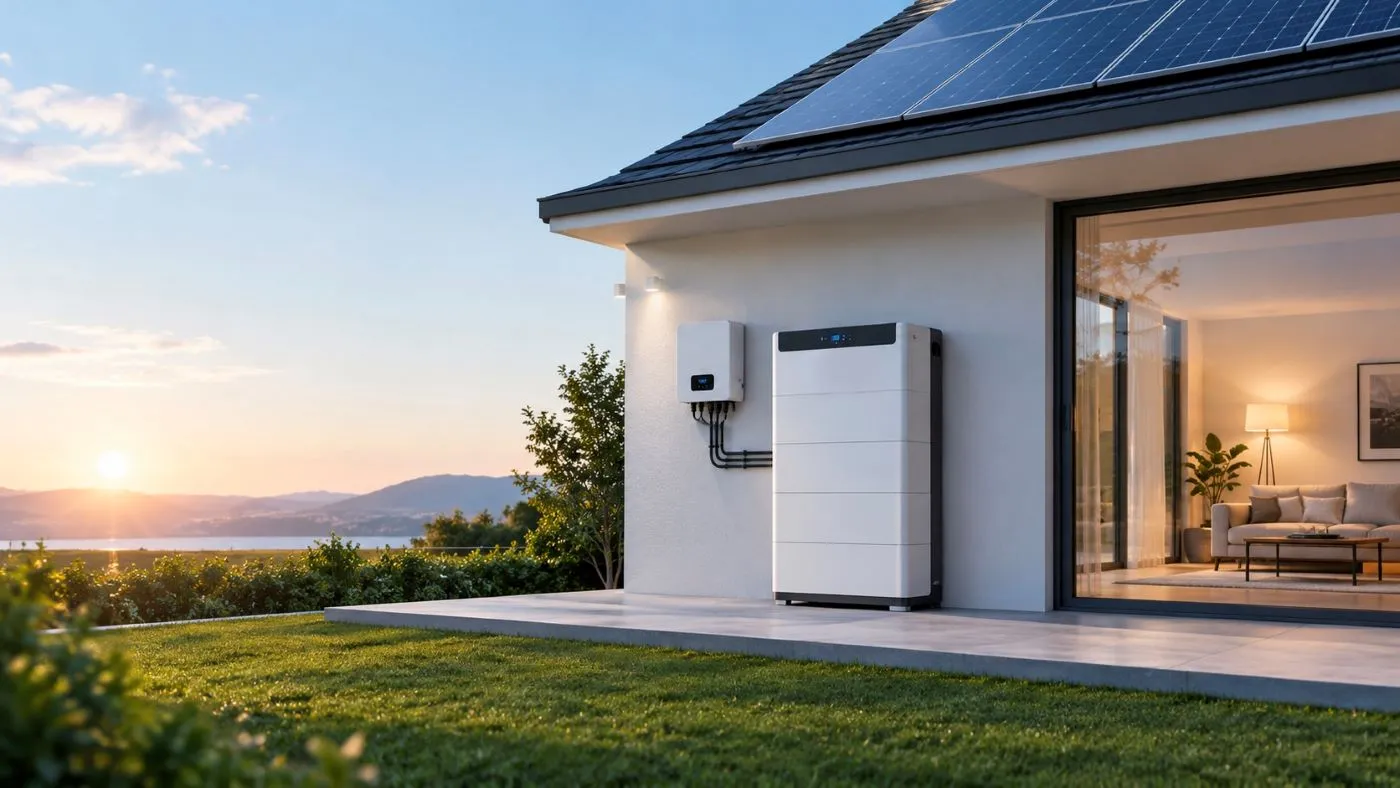
Do not place batteries in sealed cupboards, attic spaces or areas exposed to direct sunlight. The ideal spot is a cool, shaded, well-ventilated room. Keep at least 15–20 cm of empty space around the battery pack for airflow. Avoid installing batteries next to inverters or generators, as these devices release extra waste heat.
If indoor space gets too hot, consider a shaded outdoor shed with rain protection and cross ventilation. Never seal batteries inside airtight containers.
Recommended depth of discharge setting for daily blackouts
Limit daily discharge to 80% maximum for quality LiFePO4 batteries. For cheaper lithium packs, keep discharge below 70%. Avoid draining the battery down to cut-off voltage regularly. Check your battery manufacturer's specific DoD recommendation, as warranty terms may require a narrower window.
Configure your inverter to stop drawing power once the battery hits the recommended low-voltage limit. Resist the temptation to use every bit of stored energy during long blackouts; over-discharging in heat is one of the fastest ways to kill your battery.
Battery monitoring best practice
Use your inverter or battery monitoring dashboard to track pack temperature and cell voltage balance. Check for abnormal temperature spikes after charging. If individual cell voltages start drifting apart significantly, arrange inspection early. Early detection can prevent irreversible damage to the whole battery pack.
How to Test Battery Heat Resistance Before Purchase
When sourcing solar lithium batteries for your home inverter system, do not rely only on marketing claims. Ask suppliers for these documents and specifications:
Cell datasheet showing operating temperature range and cycle life at 35°C and 40°C.
Thermal test reports for the complete battery pack, not just individual cells.
BMS specification confirming built-in high-temperature protection—for both charging and discharging.
Real-world cycle test data under tropical temperature profiles, not only 25°C lab test results.
Many suppliers advertise cycle life tested at room temperature. Those numbers do not reflect performance in West Africa's hot environment. Always ask for high-temperature test data.
Heat is the biggest challenge for solar lithium batteries used in West African households. Early failure usually comes from a combination of high ambient temperature, daily deep cycling and inadequate BMS protection.
LiFePO4 offers much better heat tolerance compared to other lithium chemistries, but proper installation, ventilation and smart discharge settings are still essential. By selecting batteries validated for tropical environments and following simple operational rules, homeowners can avoid premature failure and get the full expected lifespan from their home solar inverter batteries.




Looking for a Reliable Global Energy Partner?
Connect with our global team to design a custom energy solution for your next project.